 Image 1 of 1
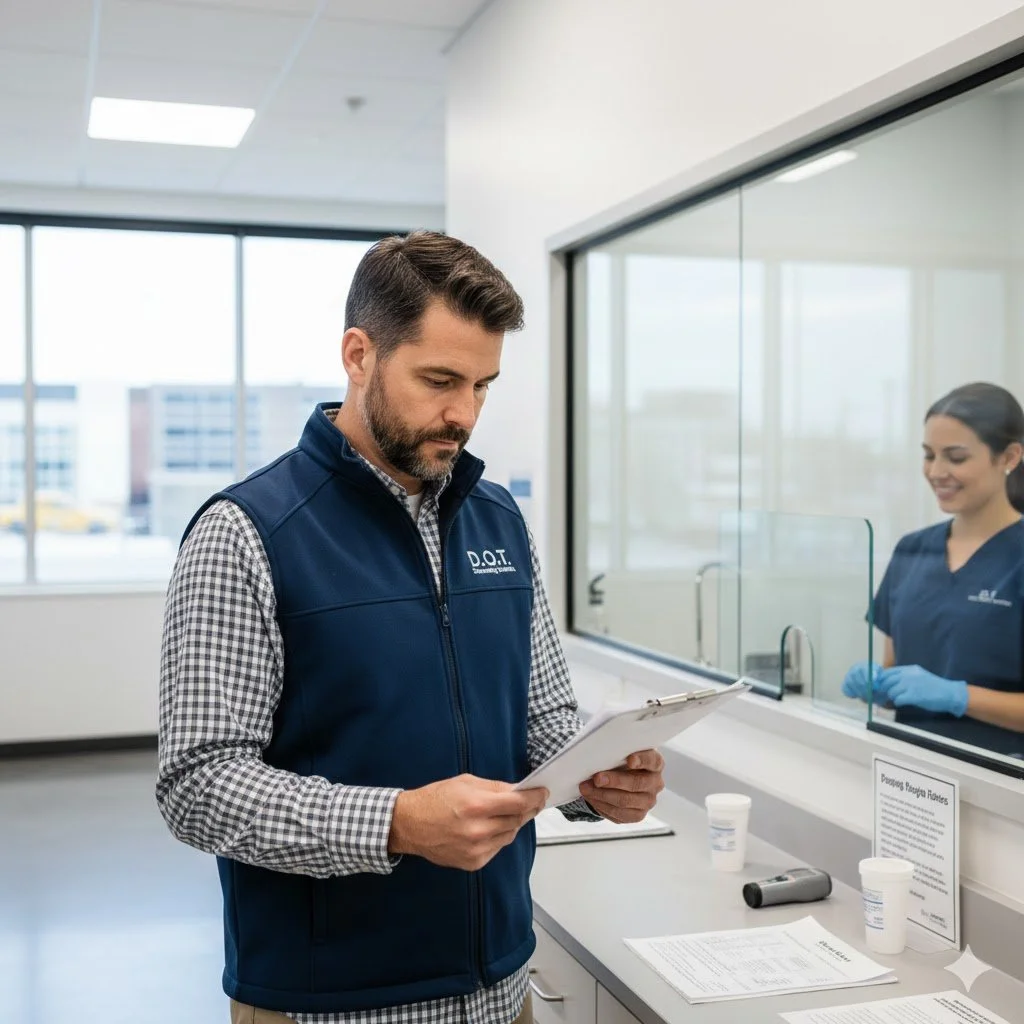
DOT Alcohol Testing Overview
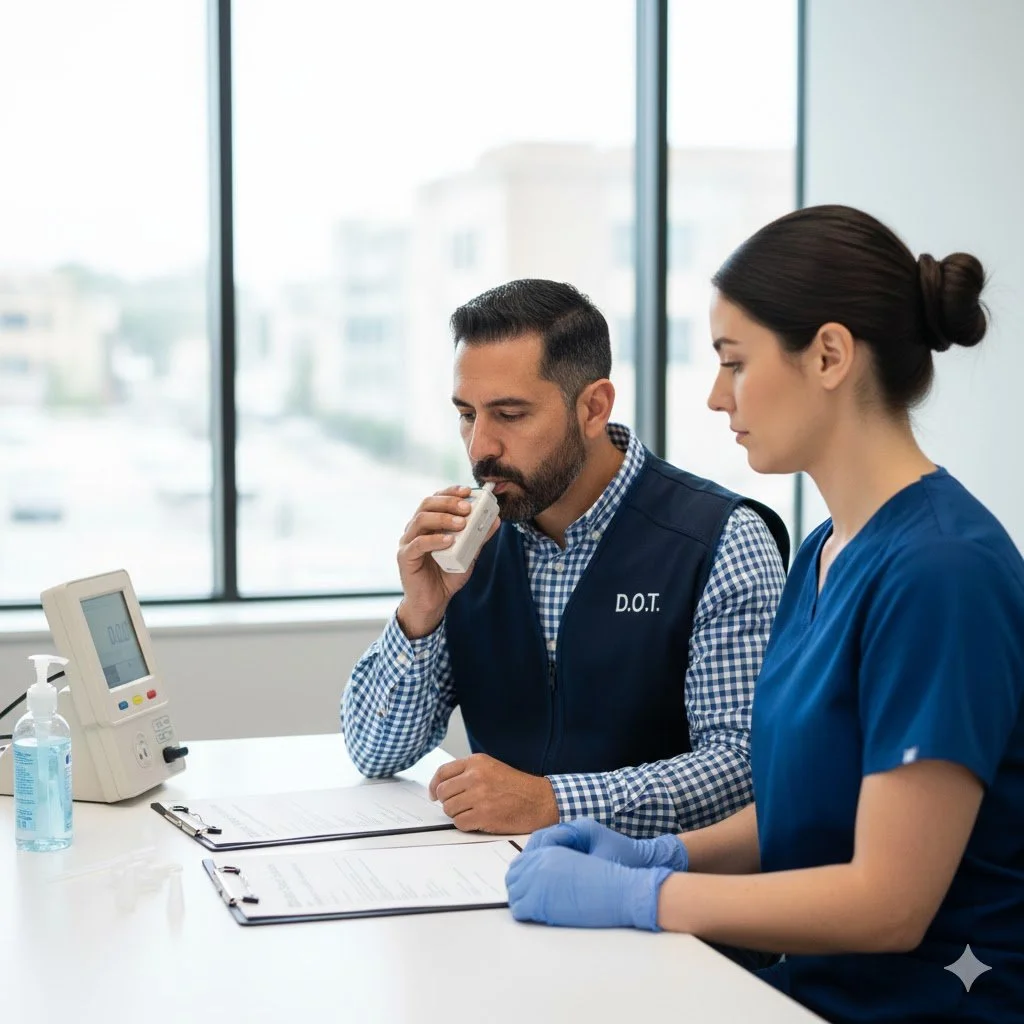
Method of Testing: * Screening Test: Performed using an Alcohol Screening Device (ASD) (saliva or breath) or an Evidential Breath Testing (EBT) device.
Confirmation Test: If the screening result is 0.02 or higher, a confirmation test must be conducted using an EBT device within 15 to 30 minutes.
Compliance Thresholds: * 0.00 – 0.019: Negative.
0.02 – 0.039: The driver must be removed from safety-sensitive duties for 24 hours.
0.04 or Higher: This is a DOT violation. The driver must be immediately removed from duty and cannot return until they complete the SAP (Substance Abuse Professional) process.
Post-Accident Requirements
In the event of a qualifying accident, time is of the essence:
The 2-Hour Rule: You should attempt to administer the test within 2 hours. If not completed within this window, the DOT requires the carrier to document the reasons for the delay.
The 8-Hour Limit: If a test is not conducted within 8 hours, you must cease all attempts to test for alcohol and document why the test was not performed.
Network and Fee Disclosure
While we provide access to a vast nationwide network of preferred labs, post-accident situations often require the driver to visit the nearest available facility immediately to meet the 2-hour window.
⚠️ Notice on Out-of-Network Fees: > Our program includes testing fees for all collection sites within our designated network. However, fees for laboratories or clinics outside of our network are not included. In post-accident scenarios where an out-of-network lab is used for speed and compliance, the carrier will be responsible for the laboratory’s direct costs.
Summary of Testing Types
Random: Unannounced throughout the year (current rate is 10% of the pool).
Post-Accident: Required after fatalities, or if a citation is issued following an injury or a vehicle being towed.
Reasonable Suspicion: Conducted when a trained supervisor observes signs of impairment.
Return-to-Duty: Required to get a driver back on the road after a violation.